-
 Login or
Register
Login or
Register
- Call Us +44(0)207 148 03 22
Login or
Register
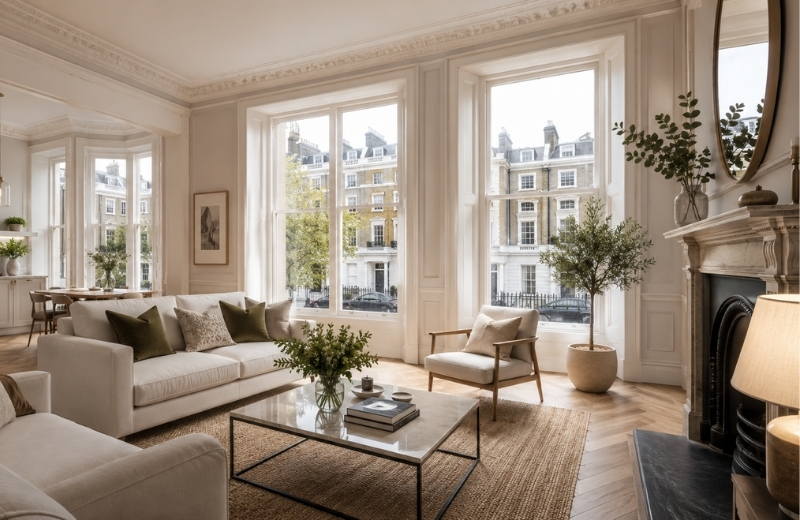
If you ask ten estate agents how to sell a home, you'll probably hear the same advice.
Price it correctly.
Declutter.
Invest in professional photography.
Present it well.
Launch at the right moment.
They're all sensible suggestions.
They're also answers to the wrong question.
After years of walking buyers through homes across London, I've become convinced that most sellers don't struggle because they prepare their property badly. They struggle because they prepare it before they've taken the time to understand who they're preparing it for.
That's the first mistake.
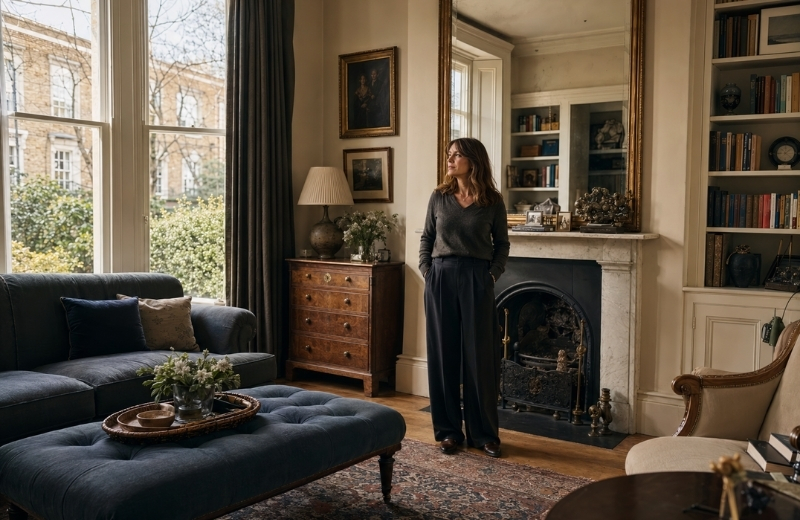
Every successful sale begins with three questions.
Who is this home for?
What future are they buying?
What's stopping them from saying yes?
Most sellers start with the third question. They immediately look for the obstacle. Is the price too high? Should the kitchen be updated? Would new carpets help? Is now the wrong time to sell?
Those questions matter, but they come much later.
The first question is always about people.
Who is most likely to see themselves living here?
That may sound like a marketing exercise. It isn't.
It's an exercise in empathy.
One of the biggest differences between buyers and sellers is that they're looking at exactly the same property through completely different lenses. Sellers naturally see the past. They remember choosing the flooring, extending the kitchen, replacing the boiler or planting the tree that now fills the garden with colour every spring. Every improvement has a memory attached to it because they lived through it.
Buyers arrive with none of that history.
They're not buying your memories. They're borrowing your space to imagine their own.
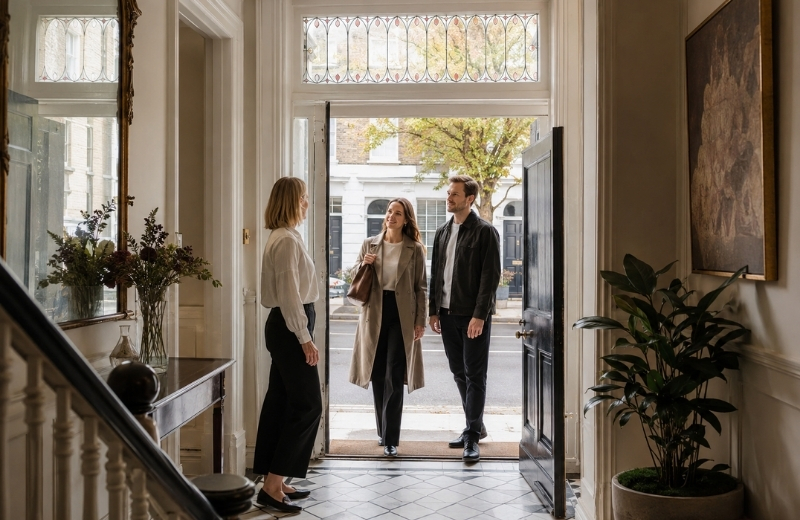
Within minutes they're asking themselves questions that rarely cross the seller's mind.
Will my children be happy here?
How would the morning light feel while I'm having coffee?
Would friends enjoy coming over?
Can I picture myself living here in five years' time?
That difference matters because it explains why two people can walk through the same front door and leave with entirely different impressions.
One sees what was.
The other sees what could be.
Over the years I've noticed something else.
The homes that generate the strongest interest aren't always the biggest, the newest or the cheapest. More often, they're the homes that make one particular buyer feel understood.
Take a Victorian house close to an outstanding school. A growing family may see years of birthdays, homework around the kitchen table and children running through the garden. Someone else may see too much maintenance, too many rooms and a lifestyle they don't want.
A contemporary apartment in the city tells a different story. For one buyer it's freedom, convenience and the luxury of walking home from work. For another it's a compromise, too far from green space or too close to the noise of London.

The bricks haven't changed.
The audience has.
That's why I rarely think of property as simply bricks and mortar.
Property is possibility.
People don't buy square footage.
They buy a version of tomorrow that feels better than today.
Once you understand that, almost every decision becomes easier.
Presentation is no longer about making a home look attractive. It's about removing distractions that prevent the right buyer from imagining themselves living there.
Photography is no longer about taking beautiful pictures. It's about helping someone emotionally step into a property before they've even booked a viewing.
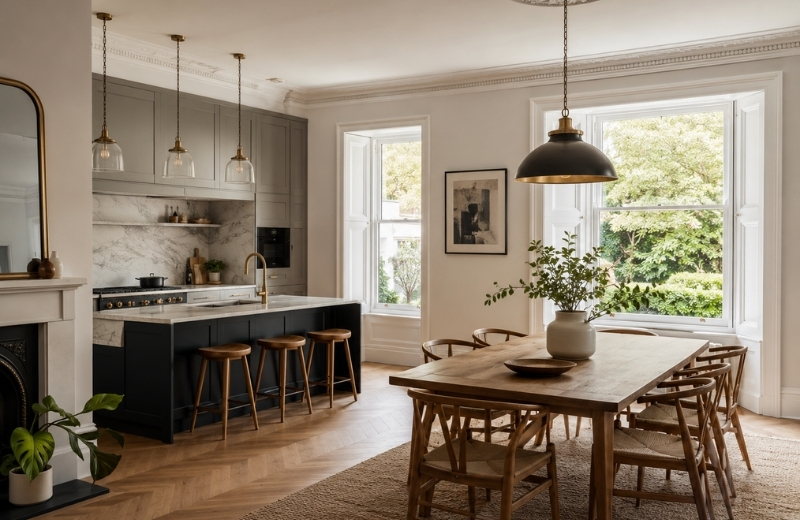
Pricing stops being a negotiation tactic and becomes part of positioning. Too high and the right buyers never engage. Too low and you risk attracting the wrong audience altogether.
Even negotiations become different. Instead of defending every feature you've invested in, you're discussing the value the property creates for the person who wants that particular lifestyle.
One conversation I have repeatedly with sellers illustrates this perfectly.
They often begin by explaining everything they've spent on the property over the years. It's completely understandable. They've invested time, money and emotion, and naturally they want those investments recognised.
Buyers rarely start there.
They ask about schools.
The journey to work.
The neighbours.
Natural light.
Parking.
The broadband speed.
Whether the garden catches the evening sun.
Neither conversation is wrong.
They're simply looking in opposite directions.
The seller is looking backwards.
The buyer is looking forwards.
That's why objectivity is so difficult.
Ownership changes what we notice.
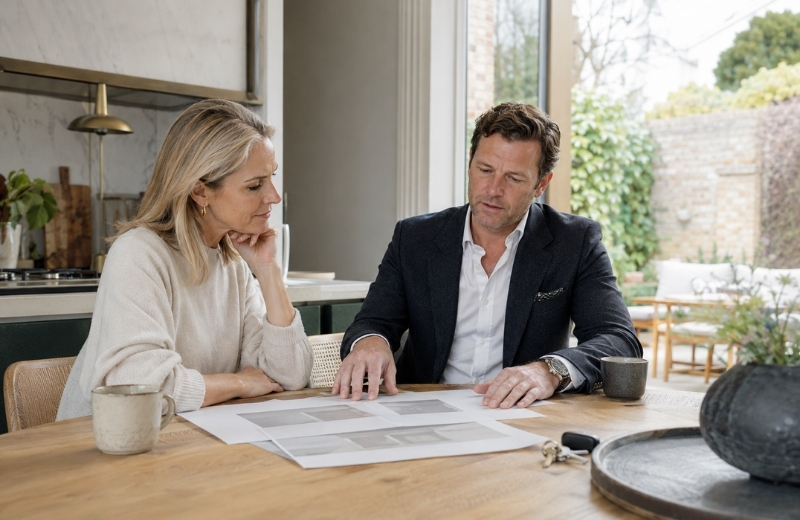
Before making any decision about reducing the asking price, changing the presentation or delaying your move until "the market improves", ask yourself one question.
If I were the buyer I've just described, would I genuinely choose this home over every other property available today?
Answering that honestly is uncomfortable.
It's also incredibly valuable.
There's one final question that deserves more attention than it usually receives.
What happens if you don't move?
Most people calculate the financial cost of selling.
Far fewer calculate the opportunity cost of staying.
Sometimes staying is absolutely the right decision.
Sometimes moving is.
The important thing is recognising that choosing not to move is still a decision, and every decision comes with a trade-off.
Another year before your children have the garden you've been talking about.
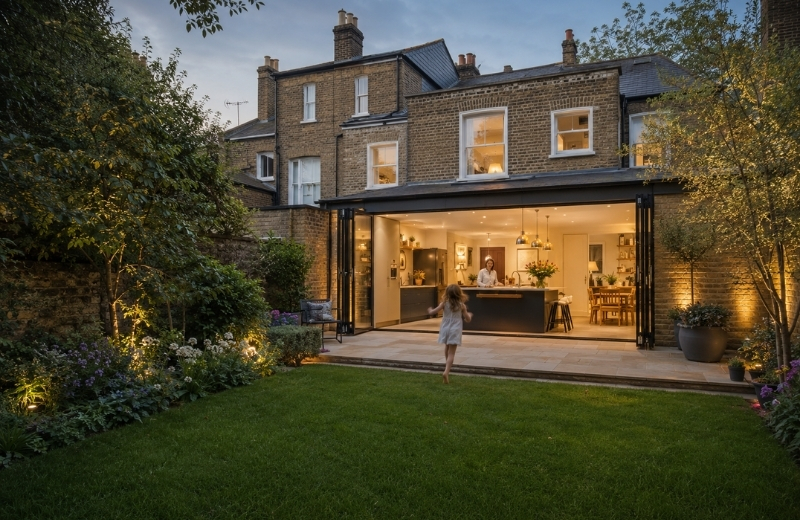
Another year spent commuting.
Another investment opportunity that quietly passes by.
Another chapter postponed because waiting feels safer than deciding.
The market will always change.
Interest rates will rise and fall.
Supply and demand will shift.
Those things matter.
But they aren't the first conversation.
The first conversation is about people.
Who is this home really for?
Because when you answer that question honestly, the next ones become remarkably easier.
And perhaps that's the first mistake most sellers make.
They begin by asking how to sell their home.
The best sellers begin by understanding who has already been looking for it.
If your home is on the market whether it’s a period conversion, a mews, a listed building, or something quietly unique — and you’re unsure whether it’s being positioned at the level it deserves, a short conversation can bring clarity.
No pressure.
No obligation.
Just perspective.
0207 148 0322
[email protected]

Danny Valencia
Property Adviser | Behavioural Property Insights
Helping London homeowners make better property decisions for over 15 years.