-
 Login or
Register
Login or
Register
- Call Us +44(0)207 148 03 22
Login or
Register
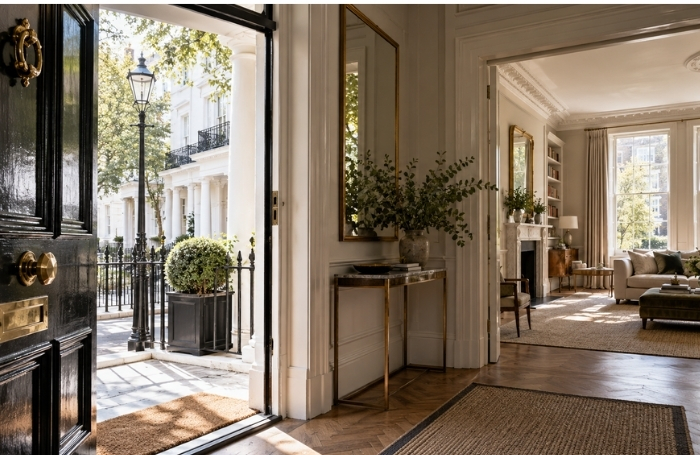
Most sellers assume a viewing begins when the buyer walks through the front door. In my experience, it begins long before that.
After years of walking buyers through homes across London, I have noticed that very few arrive with an open mind. They arrive with a picture already formed: of the type of home, of the street, of what their budget ought to buy. So the viewing is rarely a first impression. It is a comparison between what they expected and what they find, and that comparison may be one of the least visible influences on a sale.
There is an old idea that the map is not the territory. Each of us carries a map of the world, drawn from experience and from what others have told us, and we navigate by it far more than we realise. Buyers are no different. Each arrives with a map of what a home like this should be, and the property is judged against it.
Those maps are drawn from many places. One buyer once rented a period conversion and still remembers the footsteps overhead. Another thinks of Paddington as a station rather than a place to live, a view formed long before the canal and the streets around it changed. A third has studied the listing photographs so closely that they know the reception room before they enter it, or believe they do. None of them is being unreasonable. A map is what makes a search possible at all. Without one, nobody could narrow thousands of homes to the handful worth seeing.
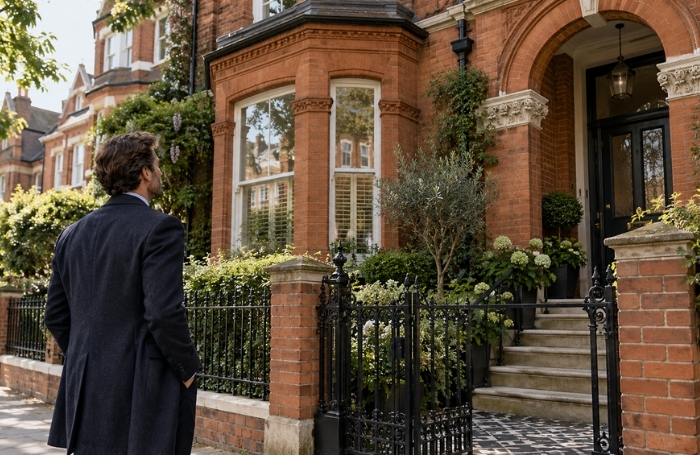
But a map simplifies by design. One noisy conversion becomes "conversions are noisy". One impression of an area becomes the area. A single experience quietly hardens into a rule, and the rule decides which homes are given a chance.
For a seller, this is more useful than it might sound. Once you know which map your home is likely to meet, you can decide what a buyer needs to see first. A period conversion, a new-build apartment and a flat on a street with an outdated reputation each meet a different set of expectations, and each deserves to be introduced differently.
You might expect a good viewing to correct an outdated map. Often it does not, at least not straight away, because maps have a way of protecting themselves. We notice what confirms them and pass over what does not. The buyer who expects noise hears the floorboards. The buyer who expects a dark flat remembers the one shaded corner and forgets the bright room beside it. The territory is there to be seen, but it is seen through the map.
There is a quieter tension too. Part of a buyer wants the satisfaction of discovering something others have overlooked. Another part wants the security of a choice nobody will question: not their family, not their friends and not the person who will one day buy from them. When those two needs pull in different directions, the hesitation that follows is less indecision than an internal negotiation, and the old map usually speaks for the side that wants safety.
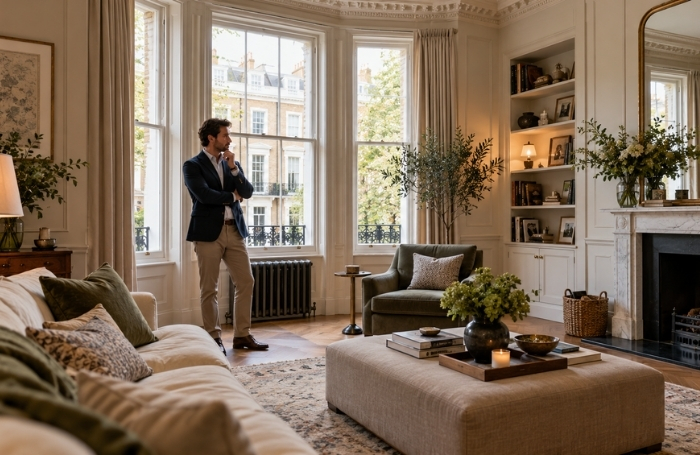
This is why a strong viewing does not always lead to an offer. The home has made its case. The map simply has not caught up.
Seeing it this way changes how a seller reads a quiet response. Hesitation after a good viewing is not always rejection. Often the buyer is still negotiating with themselves, and that negotiation is rarely settled by pressure or by a reflexive price reduction. It is settled by reassurance: the clarity and evidence that answer the cautious part of them and make the choice easier to explain to others.
Sellers know the territory intimately. They know how the light moves through the rooms and how quiet the building is at night. Because that knowledge is so familiar, it is easy to assume buyers share it. They rarely do. Once a seller recognises that buyers arrive with a different map, many familiar decisions start to look different.
Photography becomes less about showing the home at its best and more about meeting an expectation early, before it hardens into a verdict. A buyer who has understood the proportions from the photographs arrives ready to judge the space rather than to be surprised by it.
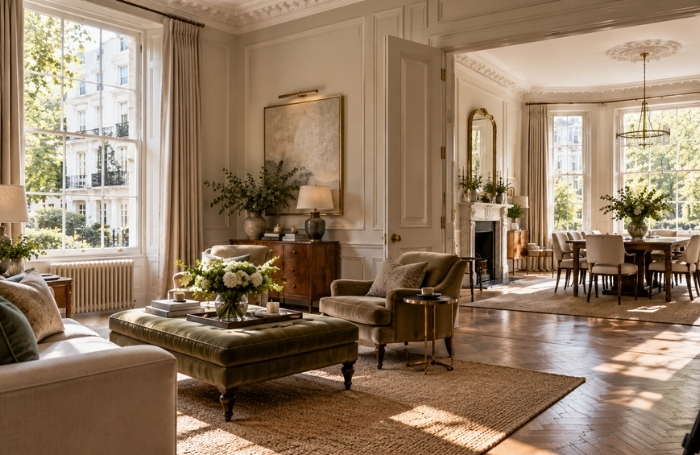
Feedback stops being a verdict and becomes information. "It felt smaller than I expected" says as much about the photographs as about the flat. "I wasn't sure about the area" suggests the area was never really shown. Each comment points to an expectation that can be met earlier and better.
The viewing becomes a chance to let the home challenge the map rather than argue with it. Adjectives rarely redraw anyone's expectations, because buyers have learned to discount them. Experience does: seeing the space as it is really lived in, and discovering for themselves that an assumption does not hold.
And honesty about real limitations stops being a concession. Sometimes the map is right, and saying so makes everything else believable. A buyer who understands a limitation can weigh it, and often still proceeds. A buyer guarding against an imagined one usually walks away.
No seller can choose the map a buyer arrives with. It was drawn long before the listing went live, from experiences and conversations the seller will never hear about. What a seller can influence is how much of the territory the buyer actually sees, and whether it is given enough room to be judged on its own terms.
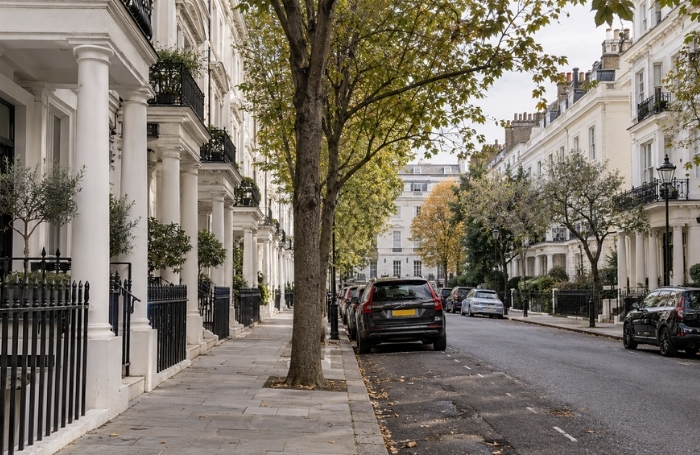
So before a home comes to market, it is worth asking a question that rarely appears on any checklist. What will buyers assume about this home before they arrive, and what will they need to see to think again? Many sales are decided in the space between the two, and it is a space a seller can influence far more than they might expect.
If your home is on the market, whether it’s a period conversion, a mews, a listed building, or something quietly unique, and you’re unsure whether it’s being positioned at the level it deserves, a short conversation can bring clarity.
No pressure.
No obligation.
Just perspective.
0207 148 0322
[email protected]

Danny Valencia
Property Adviser | Behavioural Property Insights
Helping London homeowners make better property decisions for over 15 years.